Archives
- 2026-10
- 2026-09
- 2026-08
- 2026-07
- 2026-06
- 2026-05
- 2026-04
- 2026-03
- 2026-02
- 2026-01
- 2025-12
- 2025-11
- 2025-10
- 2025-09
- 2025-03
- 2025-02
- 2025-01
- 2024-12
- 2024-11
- 2024-10
- 2024-09
- 2024-08
- 2024-07
- 2024-06
- 2024-05
- 2024-04
- 2024-03
- 2024-02
- 2024-01
- 2023-12
- 2023-11
- 2023-10
- 2023-09
- 2023-08
- 2023-07
- 2023-06
- 2023-05
- 2023-04
- 2023-03
- 2023-02
- 2023-01
- 2022-12
- 2022-11
- 2022-10
- 2022-09
- 2022-08
- 2022-07
- 2022-06
- 2022-05
- 2022-04
- 2022-03
- 2022-02
- 2022-01
-
First investigation of numerous membered ether linked macroc
2024-02-05
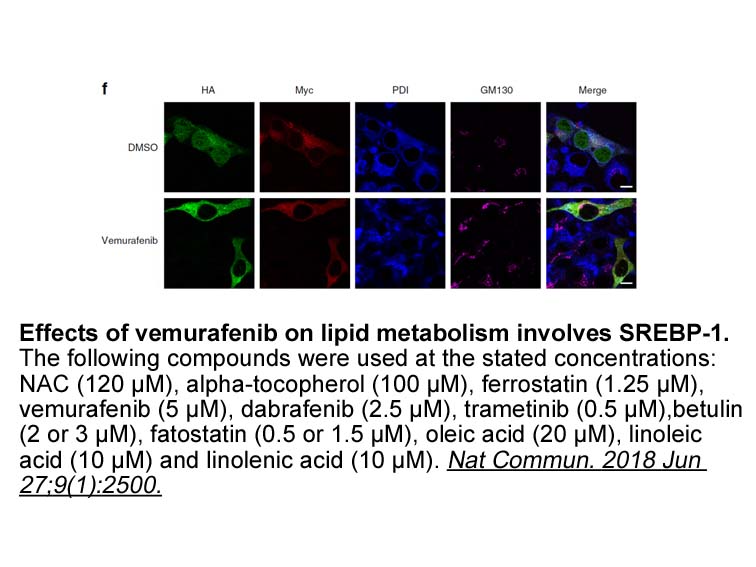
First, investigation of numerous 12-14-membered ether-linked macrocycles revealed that smaller motifs were most lipophilic efficient. Compound (3) (12-membered macrocycle) exhibited good cellular potencies (ALK IC50 = 1.0 nM; ALK-L1196 M IC50 = 20 nM) and the highest LipE (4.4) with picomolar bindin
-
It has been recognized for decades that neurons in the
2024-02-04
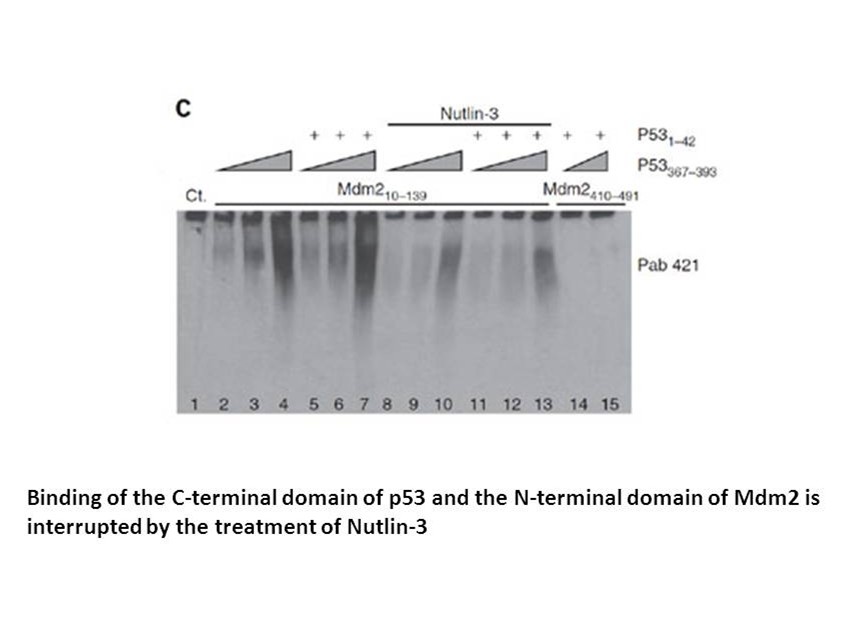
It has been recognized for decades that neurons in the mammalian central nervous system may release both a fast-acting, typically amino acid derived neurotransmitter such as glutamate or GABA, and a second peptidergic neuromodulatory molecule such as neuropeptide Y, substance P, or cholecystokinin.
-
Introduction The lysosomal storage disorder Gaucher
2024-02-04
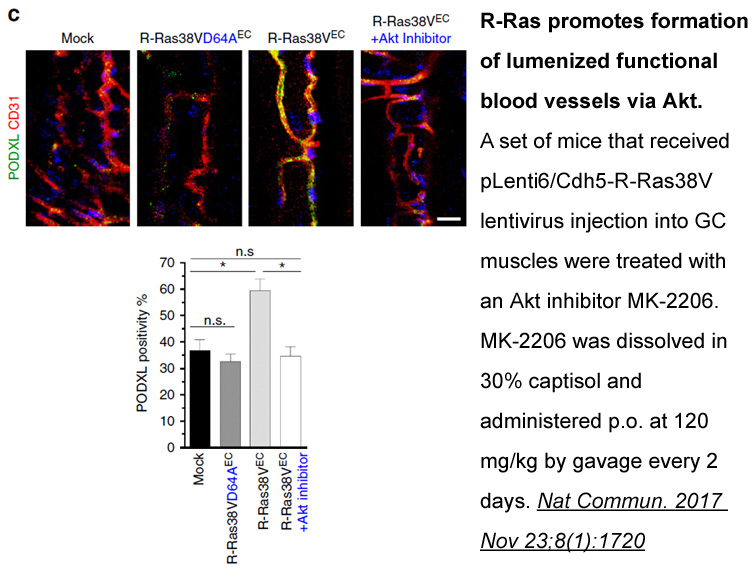
Introduction The lysosomal storage disorder Gaucher disease (Mendelian Inheritance in Man, OMIM #230800) results from the recessively inherited deficiency of lysosomal glucocerebrosidase (GCase, EC 3.2.1.45), caused by mutations in the gene GBA1 (MIM# 606463) located on chromosome 1q21. The enzymat
-
In conclusion AXL overexpression preexisted
2024-02-04

In conclusion, AXL overexpression preexisted in a subgroup of treatment-naive lung adenocarcinoma specimens harboring an activating EGFR mutation or in those with wild-type EGFR. Anti-AXL therapeutics delivered up front in combination with the EGFR inhibitor might overcome intrinsic or acquired resi
-
By performing knockdown of AXL once
2024-02-04
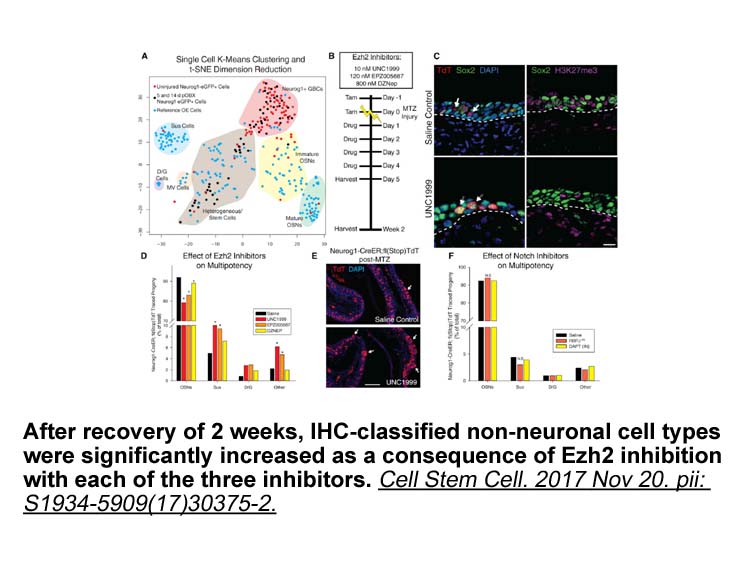
By performing knockdown of AXL once HER2+ cancer ha 47 have achieved lung colonization, we demonstrated that AXL contributes to the establishment of macrometastases. While inhibition of AXL impairs the efficiency of metastasis, the later finding has major clinical implications since pharmacological
-
Accumulating data suggest that ROS trigger autophagy but in
2024-02-04
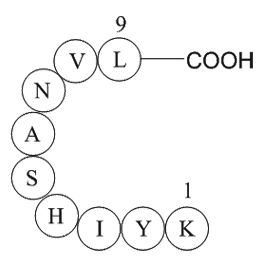
Accumulating data suggest that ROS trigger autophagy but, in turn, autophagy reduces ROS levels [23]. Our results are in agreement because 27-OH mediated autophagy induction interms of LC3 II formation and Beclin 1 protein expression was suppressed by treating the promonocytic cells with the antioxi
-
Although CP has been an important research subject
2024-02-04
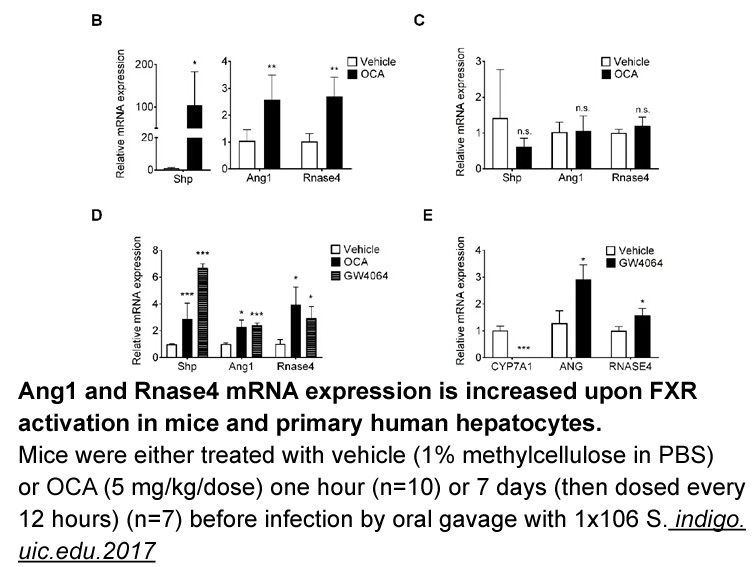
Although CP has been an important research subject in the field of antigen processing and presentation, the mechanisms of presentation of intracellular YM-155 hydrochloride by MHC II received considerably less attention. Interestingly, pioneering work by the Münz laboratory has pointed to an involv
-
Researchers demonstrated that mitochondria are
2024-02-04
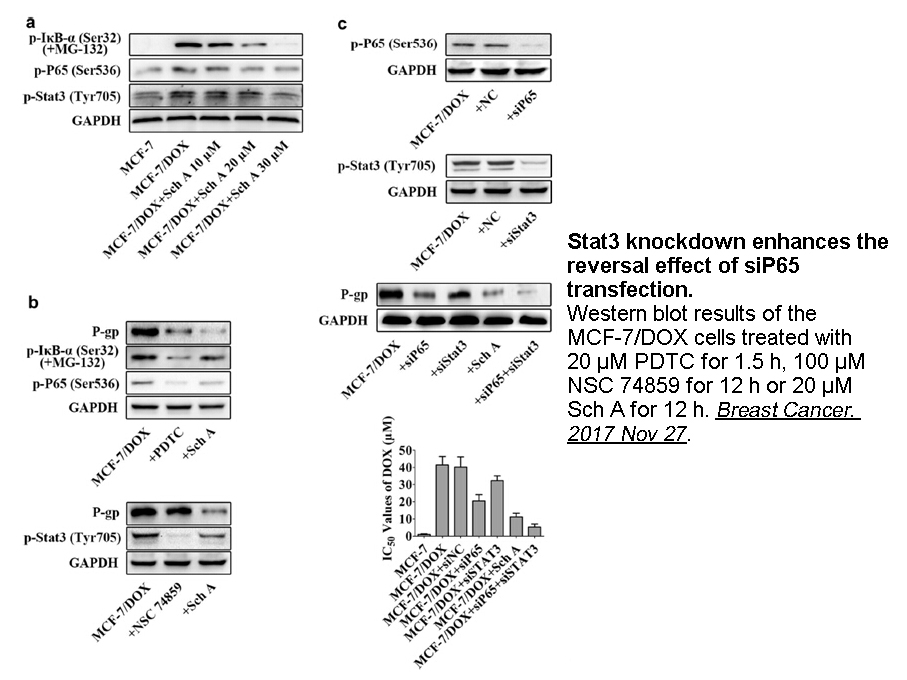
Researchers demonstrated that mitochondria are the main producers of ROS and are the most sensitive to the effects of ROS. Mitochondria-mediated apoptosis may not be limited to the role of cytochrome c in the activation of caspase-3 and ROS may provide an alternate mitochondrial signaling pathway (H
-
The sequential behavioral approach used in the present study
2024-02-04
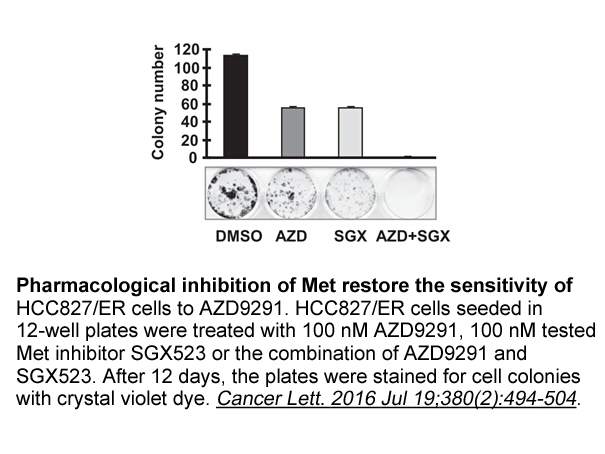
The sequential behavioral approach used in the present study reinforced the involvement of the BDNF/TRKB system in the effect of losartan. In mice with dampened BDNF expression, losartan was no longer able to exert antidepressant-like effects. Similar to what was observed after losartan treatment, t
-
To this the evidence of opposite effects of
2024-02-02

To this, the evidence of opposite effects of noradrenaline and adrenaline on the striatal firing initiation (Fig. 6, Fig. 7) should not be ignored, because the striatum is related to controlling action timing by regulating the firing increase rate (Tanaka and Kunimatsu, 2011). Although the ligand su
-
Medium spiny neurons MSNs in the
2024-02-02
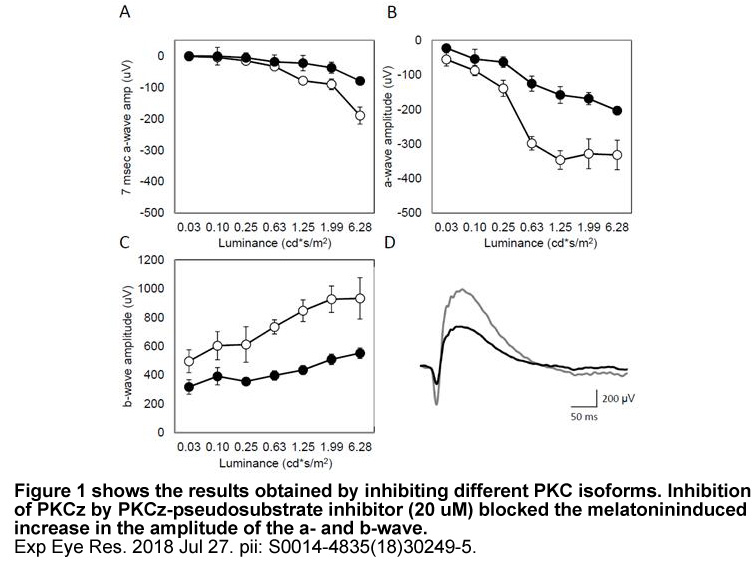
Medium spiny neurons (MSNs) in the striatum start from a deeply hyperpolarized resting membrane potential, slowly depolarize and show a delayed start of firing during a current injection (Kawaguchi, 1993, Nisenbaum and Wilson, 1995, Planert et al., 2013). The firing pattern during the current inject
-
br Experimental section br Results and discussion br Conclus
2024-02-02

Experimental section Results and discussion Conclusion In the present study, 3a,8a-dihydroxy-8-oxo-1,3,3a,8a-tetrahydroindeno[1,2-d]imidazol-2(1H)-iminium chloride (3) has been synthesized and characterized by spectral studies and single crystal X-ray crystallography. DFT calculations have
-
The first natural product described as LO inhibitor was
2024-02-02
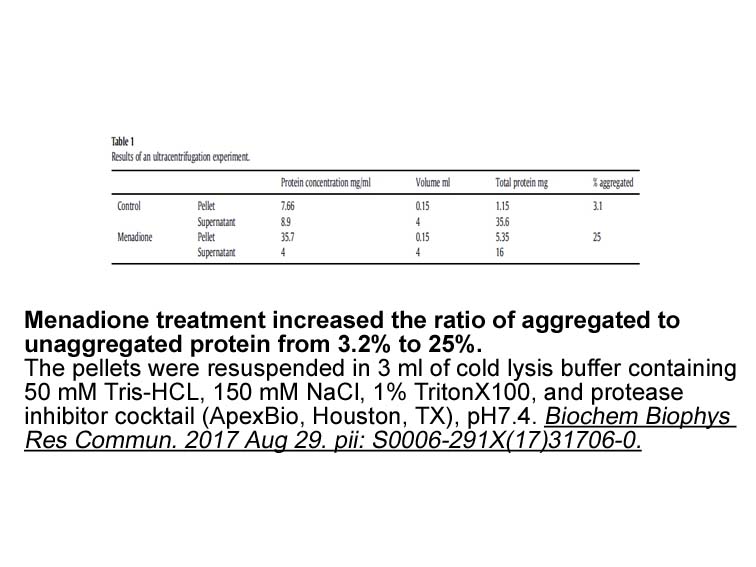
The first natural product described as 5-LO inhibitor was the polyphenol nordihydroguaiaretic U 46619 from the Mexican dessert plant Larrea divaricata in 1981 (Bokoch and Reed, 1981), short after the initial identification of 5-LO in 1979 (Borgeat and Samuelsson, 1979). Long time before mPGES-1 was
-
HET0016 We found that several anticancer drugs inhibit
2024-02-02
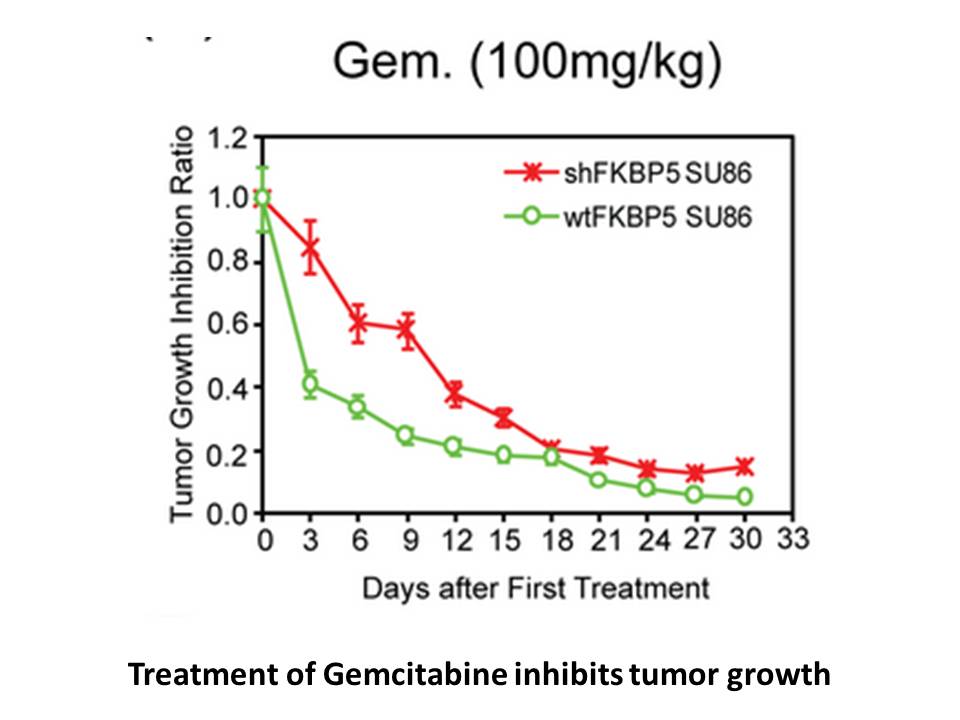
We found that several anticancer drugs inhibit 5-HT3 HET0016 current in vitro. Several studies have suggested that 5-HT3 receptor antagonists have anti-mitogenic and apoptotic effects on colorectal and breast cancer cell lines (Ataee et al., 2010, Hejazi et al., 2015). Irinotecan is used frequently
-
br Funding br Ethics br
2024-02-02
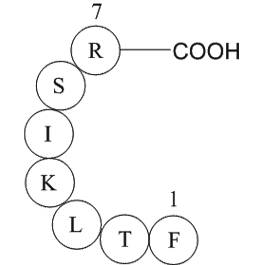
Funding Ethics Conflict of interest Acknowledgements Introduction Hepatic fibrosis occurs in response to different etiologies of chronic liver injury, which is mainly accompanied by pathological protease inhibitor cocktail of excessive extracellular matrix (ECM) of the liver, as the
8499 records 233/567 page Previous Next First page 上5页 231232233234235 下5页 Last page