Archives
- 2026-10
- 2026-09
- 2026-08
- 2026-07
- 2026-06
- 2026-05
- 2026-04
- 2026-03
- 2026-02
- 2026-01
- 2025-12
- 2025-11
- 2025-10
- 2025-09
- 2025-03
- 2025-02
- 2025-01
- 2024-12
- 2024-11
- 2024-10
- 2024-09
- 2024-08
- 2024-07
- 2024-06
- 2024-05
- 2024-04
- 2024-03
- 2024-02
- 2024-01
- 2023-12
- 2023-11
- 2023-10
- 2023-09
- 2023-08
- 2023-07
- 2023-06
- 2023-05
- 2023-04
- 2023-03
- 2023-02
- 2023-01
- 2022-12
- 2022-11
- 2022-10
- 2022-09
- 2022-08
- 2022-07
- 2022-06
- 2022-05
- 2022-04
- 2022-03
- 2022-02
- 2022-01
-
Glycosylphosphatidylinositol GPI cell wall anchor
2023-02-07
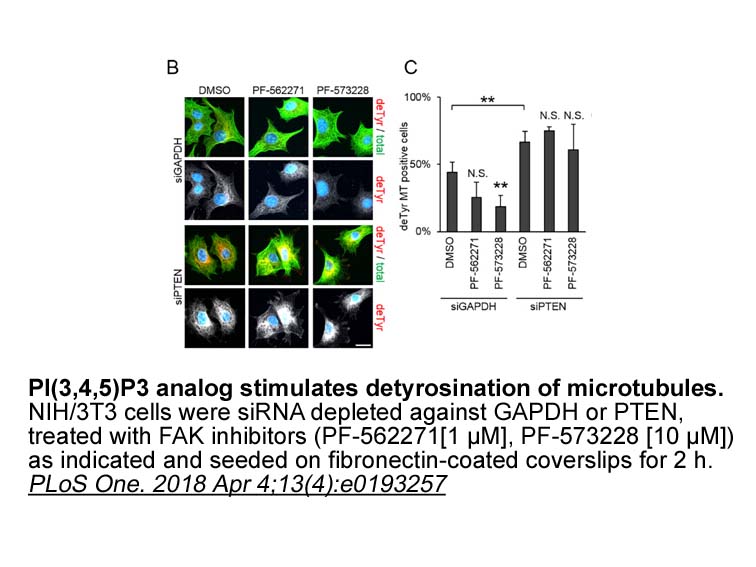
Glycosylphosphatidylinositol (GPI) PHA 543613 hydrochloride sale anchor synthesis pathway is another promising antifungal target. Novel inhibitors of Gwt1 and Mcd4, two enzymes in the GPI anchor pathway were identified by the chemical-genomics-based screening platform CaFT (Candida albicans fitness
-
Recent retrospective cohort studies have supported these pre
2023-02-07
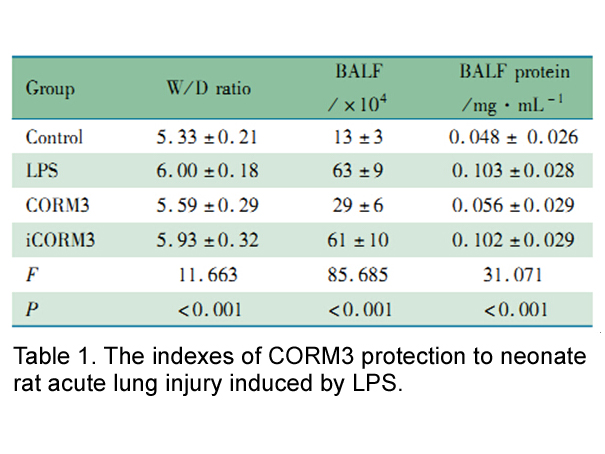
Recent retrospective cohort studies have supported these preclinical findings in animals indicating the correlation of AR activation with the induction of Carbenoxolone disodium carcinogenesis. First, men with prostate cancer who underwent androgen deprivation therapy were shown to have a significa
-
In this study high concentrations mM of thuringiensin were
2023-02-06

In this study, high concentrations (0.5–4 mM) of thuringiensin were required to stimulate the basal adenylate cyclase activity Fig. 2, Fig. 3, Fig. 4, but low concentrations of thuringiensin (1–100 μM) were sufficient to inhibit the forskolin-stimulated adenylate cyclase activity in rat cerebral cor
-
Conclusion Twenty compounds with dinitrobenzoate scaffold we
2023-02-06
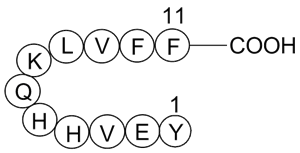
Conclusion Twenty compounds with 3,5-dinitrobenzoate scaffold were synthesized and evaluated using cell-free and HWB assays for their 5-LOX inhibition activities. Compared to the parent compound, six compounds show significantly increased enzyme inhibition activities. The best compound, 3-tolyl 3,5
-
br Materials and methods br Results br Discussion We have
2023-02-06
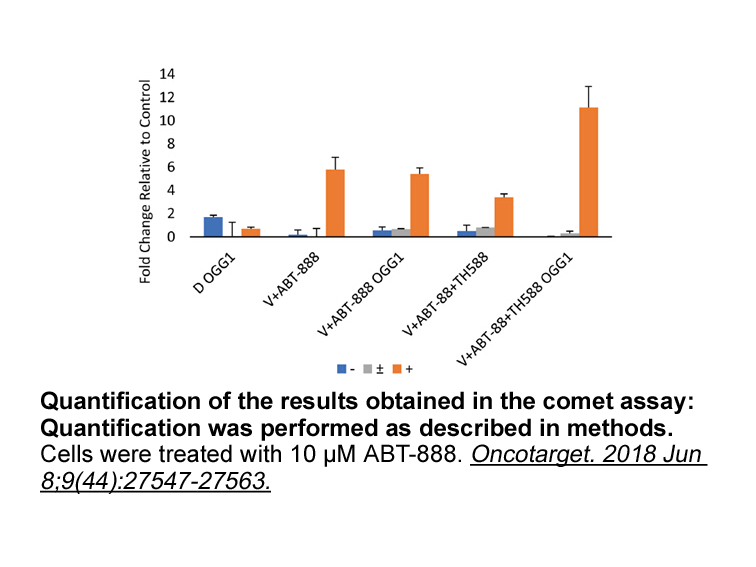
Materials and methods Results Discussion We have developed a high-throughput functional genomic screen that allows the identification of genes that confer drug resistance. Several factors have been identified which must be taken into account to develop a reliable screen. In particular, cons
-
Inactivation of autophagy can also impact
2023-02-06
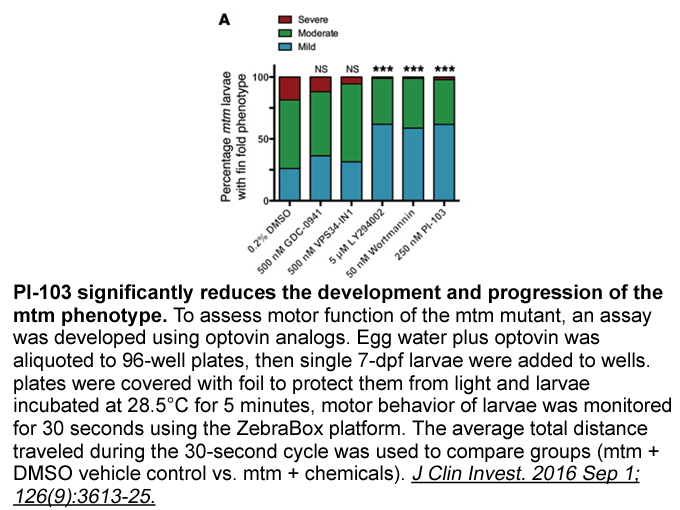
Inactivation of autophagy can also impact the surface internalization of MHC I molecules, leading to increased antigen presentation. Inactivation of autophagy factors Atg5 and Atg7 in DCs causes elevation of MHC I surface levels by decreasing endocytosis due to a poor recruitment of adaptor-associat
-
torin receptor In PMCA Mg favors the
2023-02-06
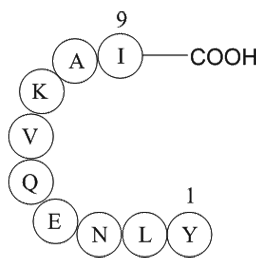
In PMCA, Mg2+ favors the conversion E1P → E2P [13] and, as in SERCA [11], it accelerates the phosphorylation displacing the E1–E2 equilibrium towards E1. In SERCA, Sørensen et al. [41], proposed that ATP reacts by an associative mechanism mediated by two Mg2+ ions to form an aspartyl-phosphorylated
-
The structural analysis of the ASK
2023-02-06
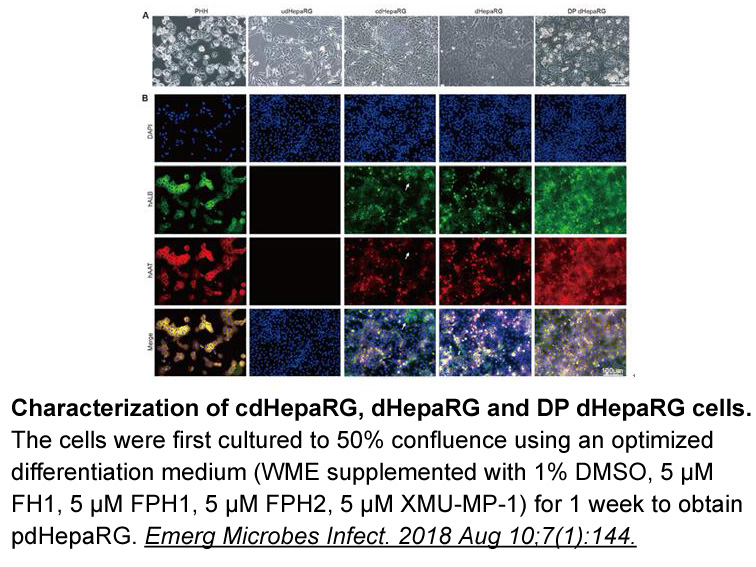
The structural analysis of the ASK1 activation segment, which was not phosphorylated in the crystal structure, showed interactions mimicking those found in activated kinases. In addition, the isolated unphosphorylated ASK1-CD is active and able to autophosphorylate itself at three sites, Thr813, Thr
-
Previous studies demonstrate that chiral biointerface has gr
2023-02-06
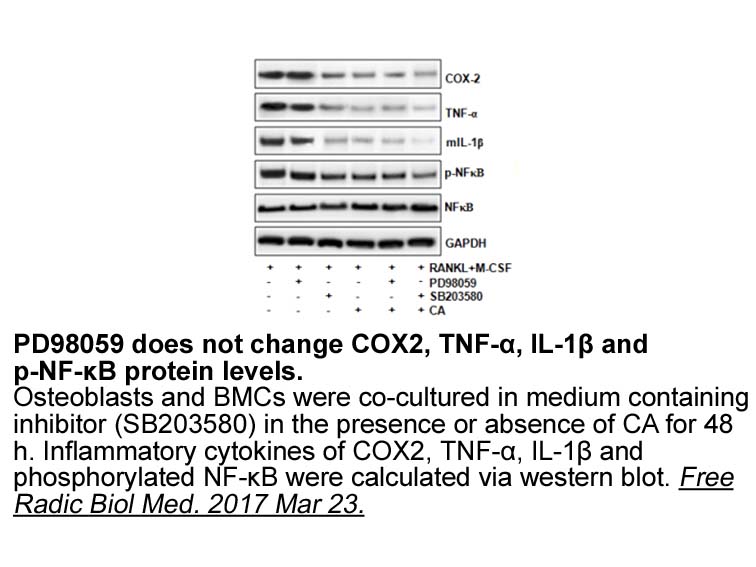
Previous studies demonstrate that chiral biointerface has great influence on cells adhesion and proteins adsorption [39], [40], [41], [42], [43], which inspired us to further develop antimicrobial materials or surfaces by taking advantage of the “chiral taste” of microbes. L-borneol is a hydrophobic
-
Angiogenesis refers to the formation of new
2023-02-06
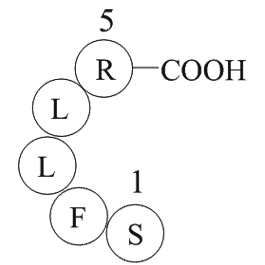
Angiogenesis refers to the formation of new blood vessels from pre-existing vasculature [1]. Physiological angiogenesis is necessary for key processes such as wound healing, tissue regeneration and repair. In pathological conditions, including cardiovascular diseases, diabetes, cancer, and other pat
-
In addition we performed Western blot analysis of different
2023-02-03
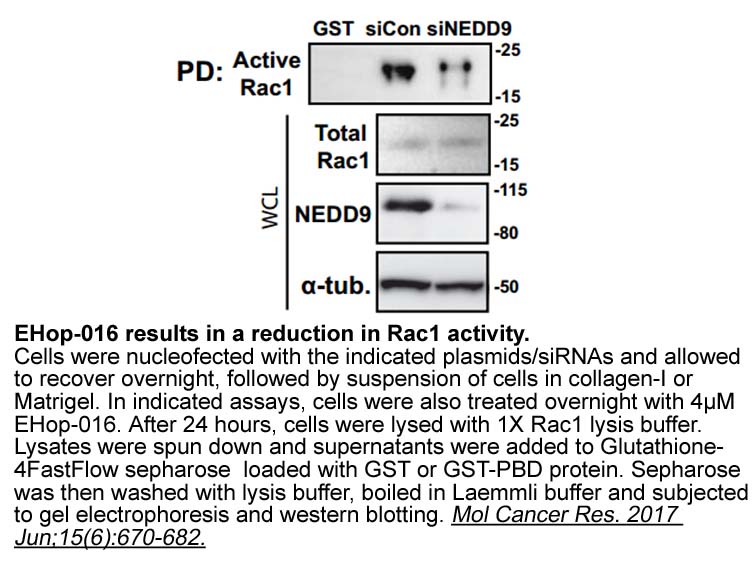
In addition, we performed Western-blot analysis of different areas of mouse brain with Curcumol australia against mAck1 (Ureña et al., 2005). The data obtained showed a high rate of expression in neocortex, hippocampus, cerebellum, and brainstem (Fig. 4). More moderate levels of expression were seen
-
The activity of an enzyme
2023-02-01
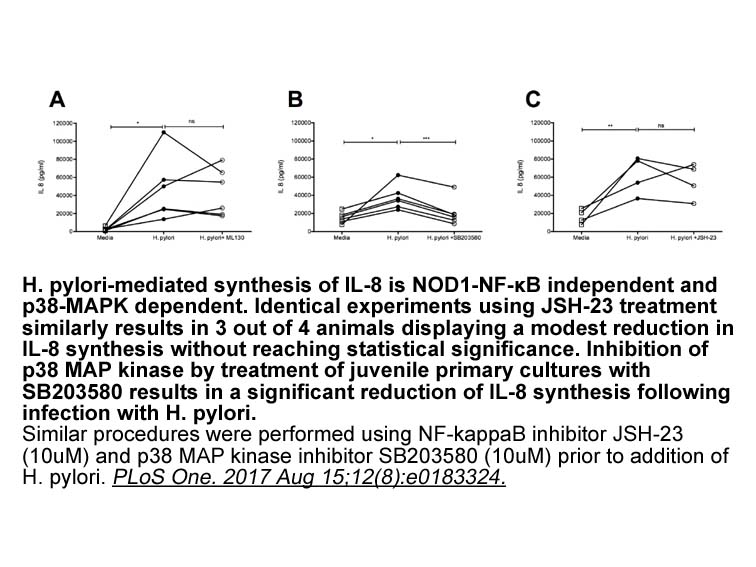
The activity of an enzyme may be regulated allosterically as well as transcriptionally. We have consistently studied REMS deprivation (REMSD) associated NA mediated allosteric regulation of Na-K ATPase activity in neurons and glia in vivo and in vitro (Amar and Mallick, 2015; Amar et al., 2016; Bas
-
These recommendations may be useful for the future to
2023-02-01
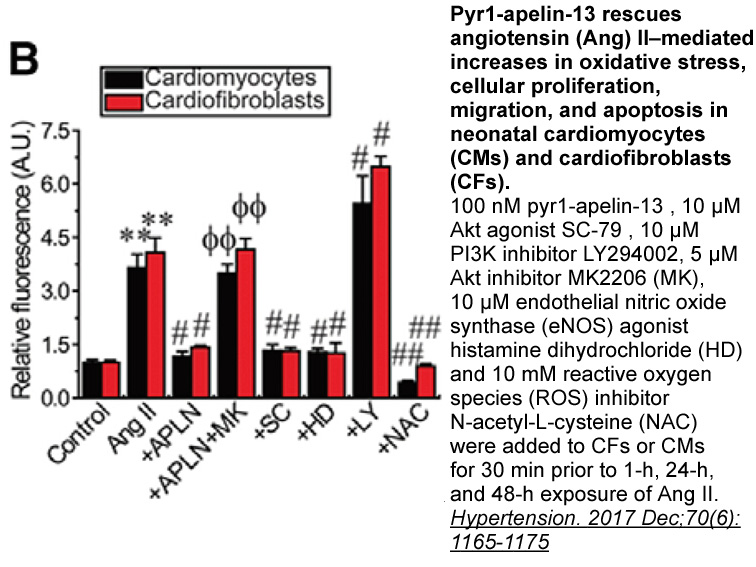
These recommendations may be useful for the future to avoid misleading reports and pairings. However, the existing literature can also hold back current research on some given orphans. Before entering into drug development or further physiological conceptual framework, these pairings should be thoro
-
The fluorescence in a fluorescent antibiotic can be derived
2023-02-01
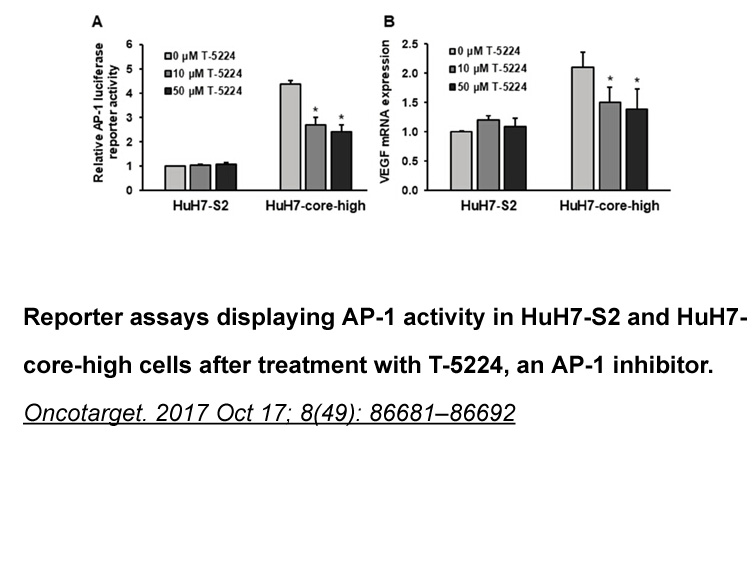
The fluorescence in a fluorescent antibiotic can be derived either from functional groups with intrinsic fluorescence in an existing antibiotic, or via synthetic conjugation of a fluorophore to an antibiotic core to enable visualisation. Attachment of fluorophore to an antibiotic should ideally not
-
Consistent with the in vitro
2023-02-01
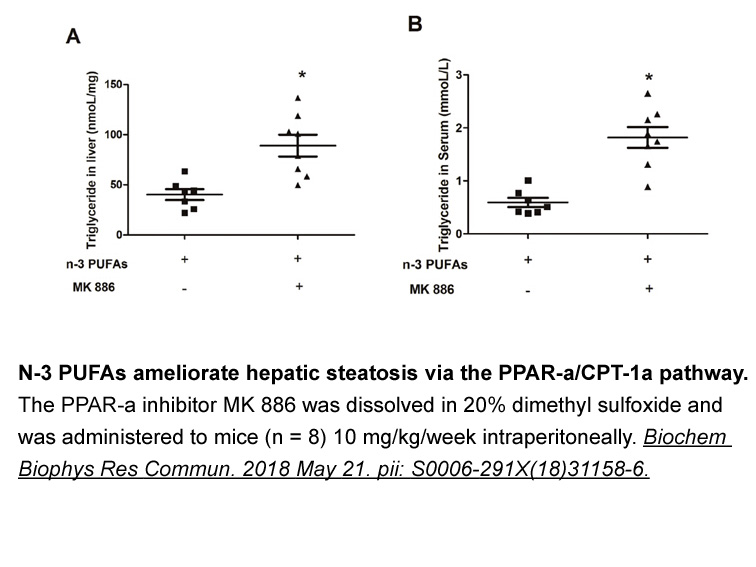
Consistent with the in vitro results, memantine ameliorated Aβ-induced cytotoxicity in rat primary cortical cultures. Studies reported that memantine protected neurons against the damage caused by aggregated Aβ40 or Aβ42 oligomers in vivo[26], [27]. These results suggest that, in addition to its neu
8501 records 393/567 page Previous Next First page 上5页 391392393394395 下5页 Last page